collections d&








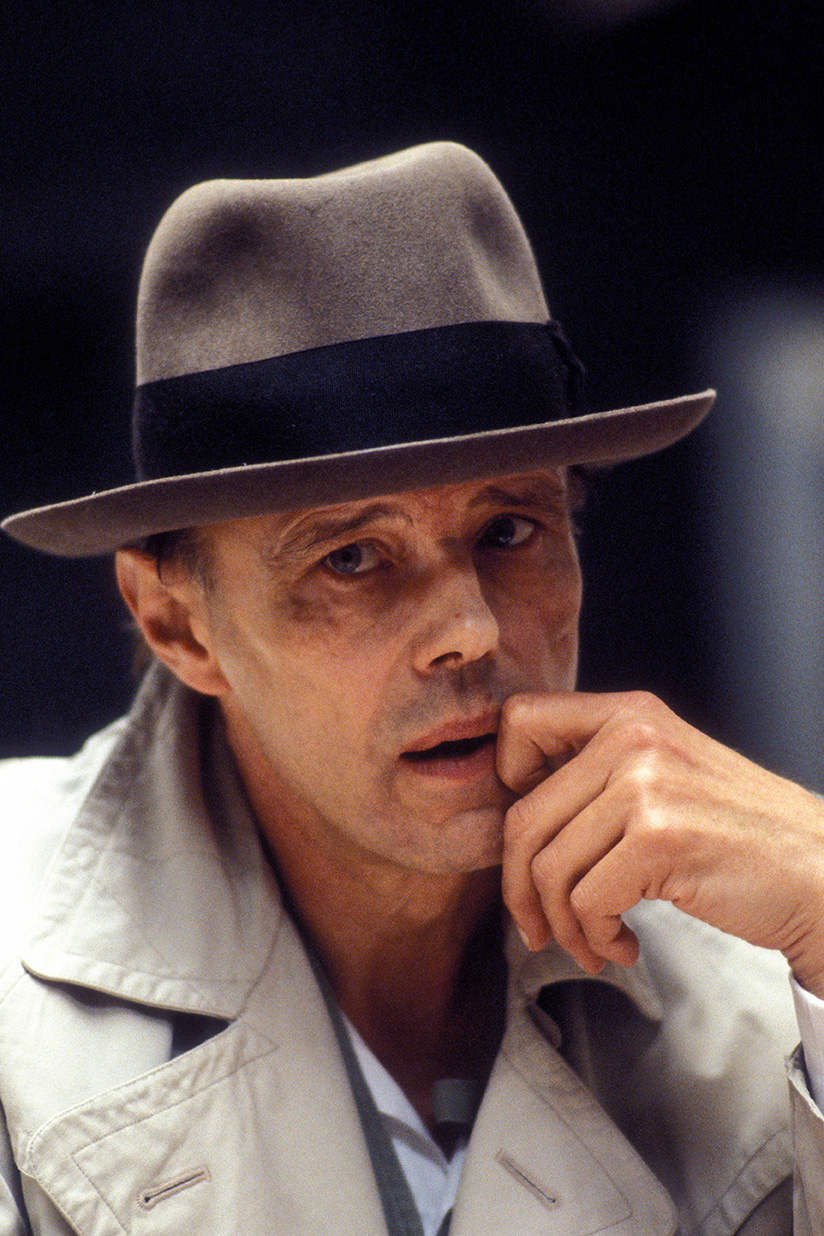
Joseph Heinrich Beuys was a German artist, renowned for his significant contributions to the realms of sculpture, painting, and installation art, which have left a lasting impact on the culture and art world. His work transcended traditional boundaries, merging art with social theory and politics, thus redefining the role of the artist in society. Beuys's unique approach to materials, incorporating substances like fat and felt, symbolized healing and insulation, reflecting his broader philosophical and ecological concerns.
Beuys's art was deeply influenced by his experiences during World War II and his academic background in natural sciences and sculpture. His concept of "social sculpture" proposed that art could transform society, emphasizing creativity as a fundamental component of human existence. This vision led him to use his performances, or "actions," as a medium to communicate his ideas, making him a pivotal figure in the Fluxus movement. Notable works such as "How to Explain Pictures to a Dead Hare" and "7000 Oaks" exemplify his innovative use of performance and environmental art to engage and challenge the public.
His legacy is preserved in major museums and galleries worldwide, including the Museum of Modern Art in New York and the Tate Modern in London. These institutions house key pieces that exemplify Beuys's diverse artistic output, from his early drawings and sculptures to his later installations and public interventions. His influence extends beyond the art world, impacting environmental activism and educational reform, underscoring his belief in the transformative power of art.
For collectors and experts in art and antiques, Joseph Heinrich Beuys remains a figure of immense interest, not only for his groundbreaking artworks but also for his profound impact on contemporary art theory and practice. To stay informed about new product sales and auction events related to Beuys, we invite you to sign up for updates. This subscription ensures you are always in the loop regarding opportunities to engage with the enduring legacy of one of the most influential artists of the 20th century.





![[DREYFUS, Alfred (1859-1935), Émile ZOLA (1840-1902), et d'autres]](/assets/image/picture_3807103/5d00c/d2f79b90c4beceb027e4274f129bfdc41710234000jpg__fix_374_244.jpeg)
![[DREYFUS, Alfred (1859-1935), Émile ZOLA (1840-1902), et d'autres]](https://veryimportantlot.com/assets/image/picture_3807103/5d00c/d2f79b90c4beceb027e4274f129bfdc41710234000jpg__fix_374_244.jpeg)

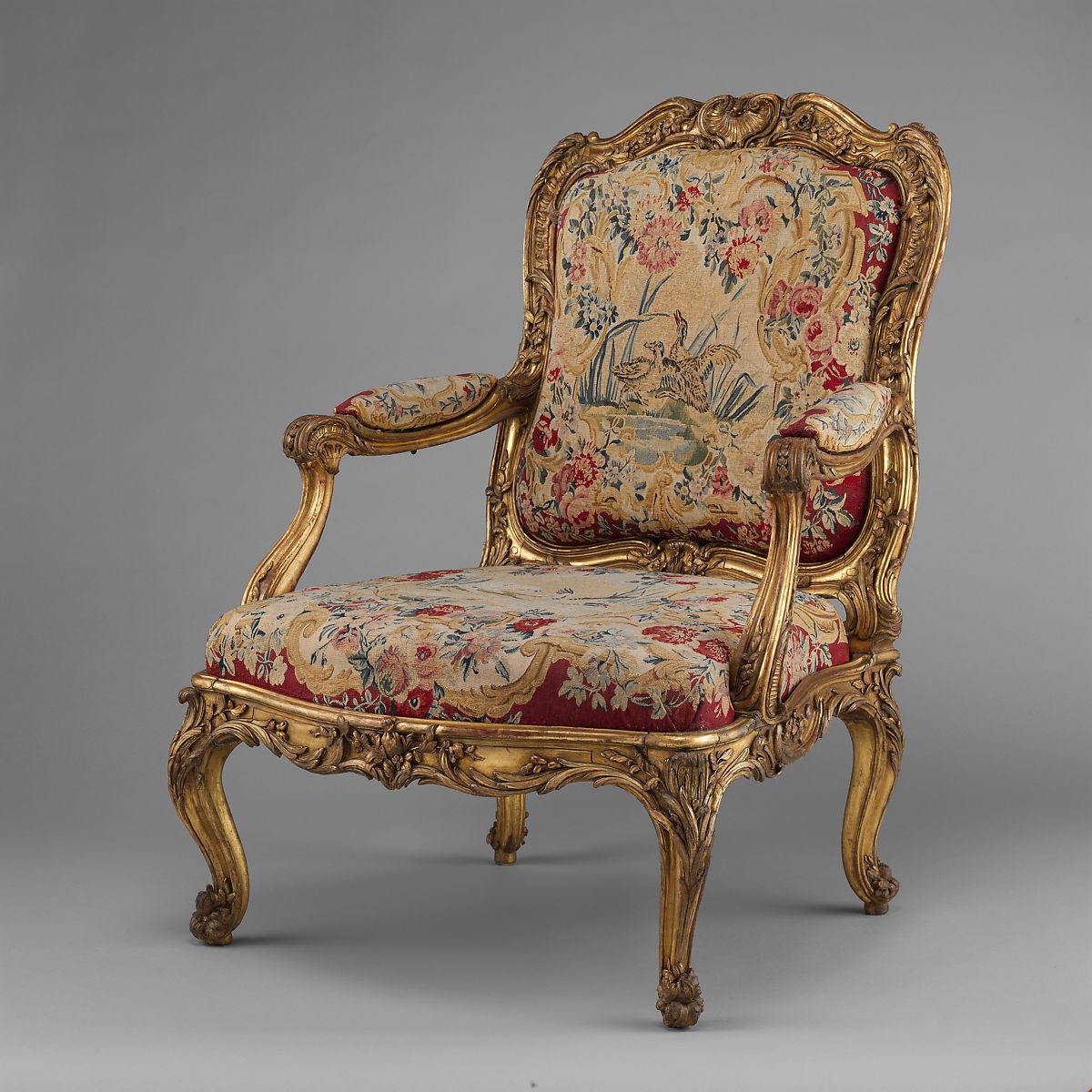
Nicolas-Quinibert Foliot was an 18th century French cabinetmaker. He was the supplier of furniture for the castles of Versailles, Fontainebleau and Compiègne.
All of his works are distinguished by luxury. The lines are balanced and elegant, the carvings are numerous and executed subtly and tastefully.


.jpg)
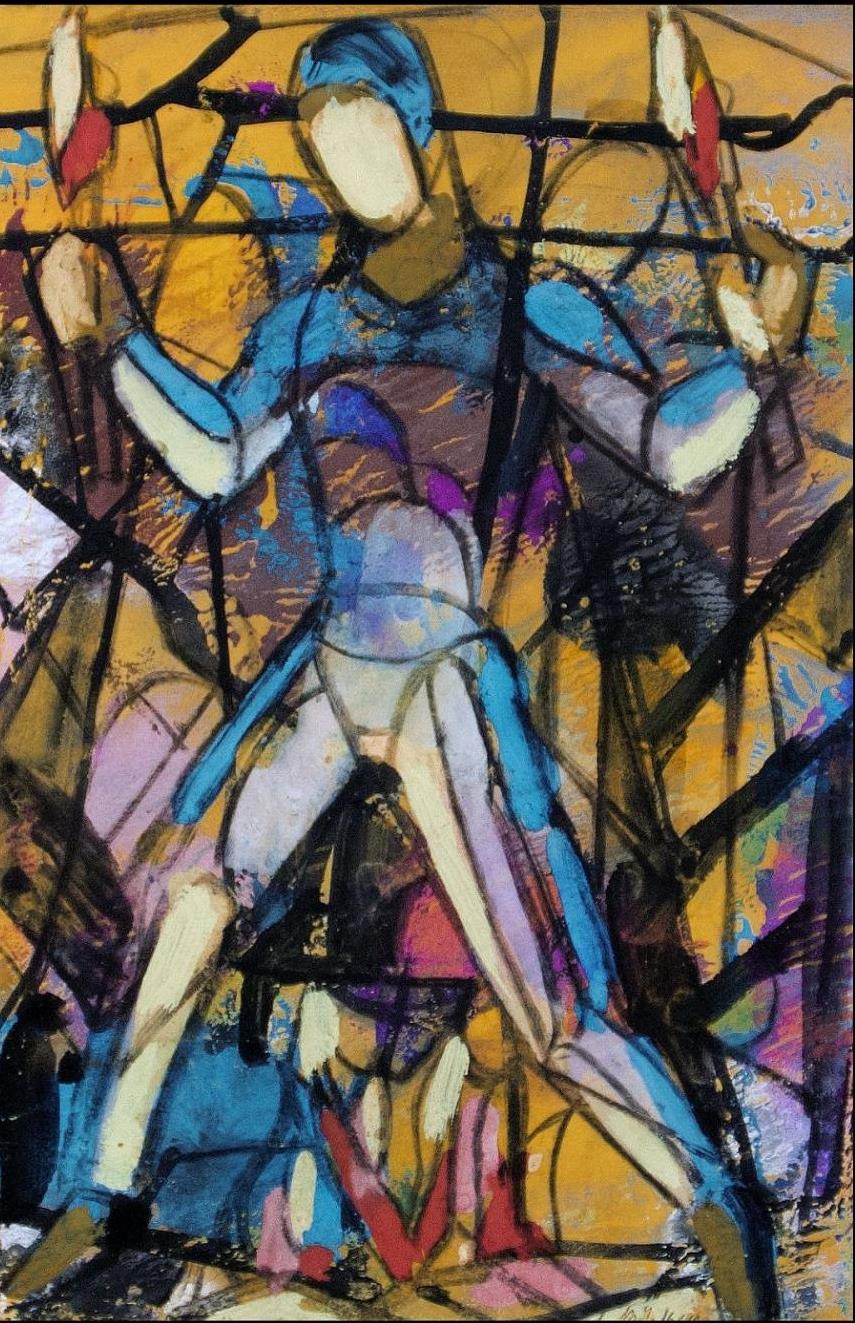
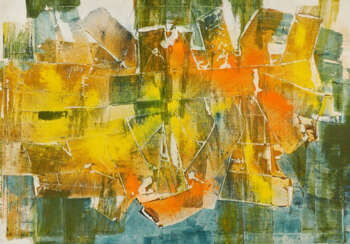
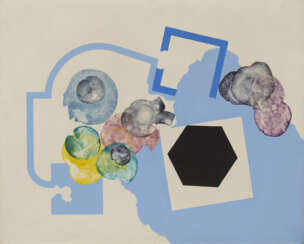
Fathwinter, birth name Fred Alfred Theofil Winter, was a German graphic artist and abstractionist.













![[JARRY, Alfred (1873-1907) et Remy de GOURMONT (1858-1915), éd.]](/assets/image/picture_3807179/d1bb2/9f8a9c9f9f96b44499182a8f6613e35b1710234000jpg__fix_374_244.jpeg)
![[JARRY, Alfred (1873-1907) et Remy de GOURMONT (1858-1915), éd.]](https://veryimportantlot.com/assets/image/picture_3807179/d1bb2/9f8a9c9f9f96b44499182a8f6613e35b1710234000jpg__fix_374_244.jpeg)

Paul Gauguin, a French artist born in Paris in 1848, is renowned for his significant contributions to Post-Impressionism, Primitivism, and Synthetism. Gauguin's art is distinguished by his experimental use of color and style, which set him apart from the traditional Impressionist movement.
Gauguin's early life was marked by a period in Peru, which influenced his artistic perspective. Initially, he pursued a career in stockbroking but soon turned to art, driven by financial necessity and a growing passion. His artistic journey began under the mentorship of Impressionist artist Camille Pissarro and through exposure to the works of other avant-garde artists.
The hallmark of Gauguin's work is his exploration of non-Western cultures, particularly during his time in Tahiti and the Marquesas Islands. This period saw the creation of some of his most famous works, including "Where Do We Come From? What Are We? Where Are We Going?" His paintings from this era, characterized by vivid colors and Symbolist themes, reflect a fusion of cultural influences and his quest for a "primitive" expression of spiritual and emotional states.
Despite his innovative style, Gauguin struggled with financial difficulties and health issues throughout his life. His work received little recognition during his lifetime, but posthumously, he gained acclaim for influencing modern artists like Pablo Picasso and Henri Matisse.
Today, Gauguin's works are celebrated in galleries and museums worldwide for their unique blend of cultural influences and artistic innovation. His enduring legacy is a testament to his unique vision and the profound impact he had on the art world.
Collectors and experts in art and antiques, stay updated on new product sales and auction events related to Paul Gauguin. Sign up now for exclusive updates and immerse yourself in the world of this visionary artist.






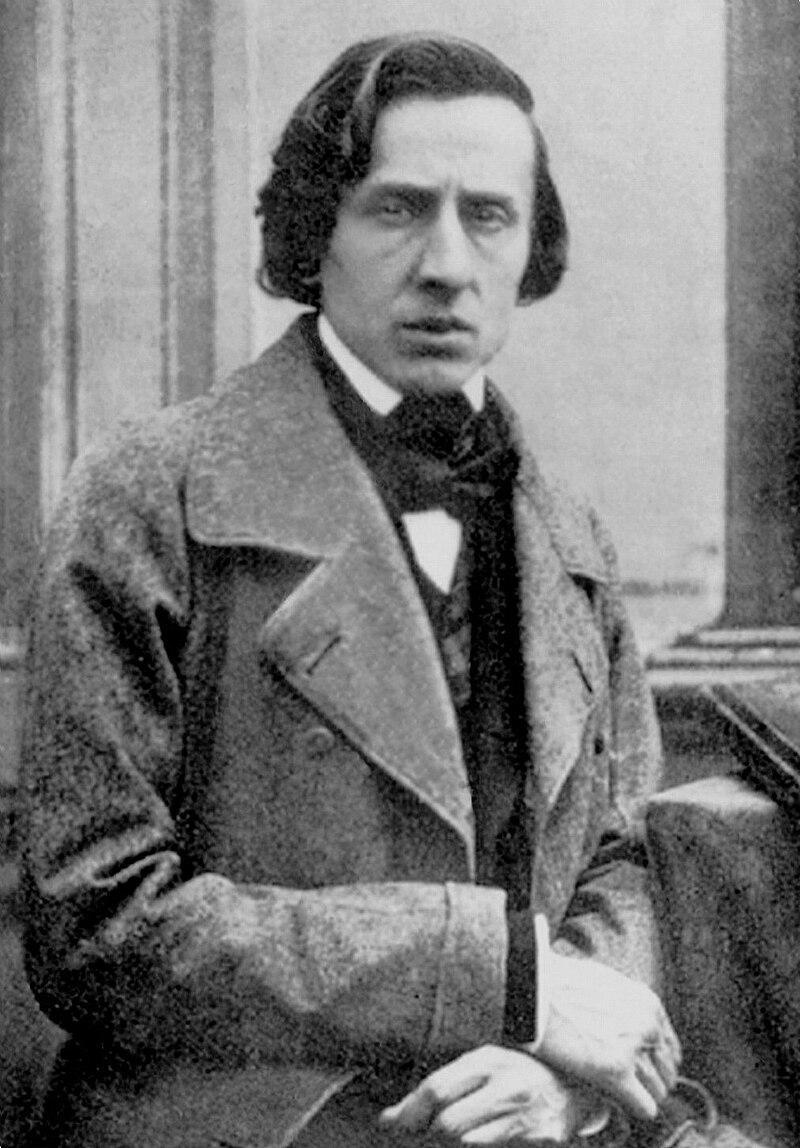
![CHOPIN, Frédéric (1810-1849) [et George SAND (1804-1876)]](/assets/image/picture_4259662/2e92e/pryubdxec22rash3hutkisg-t9nzulzo6llj3oynfeqys0fes5dqhrzflj8omqn1729410665jpg__fix_374_244.jpeg)
![CHOPIN, Frédéric (1810-1849) [et George SAND (1804-1876)]](https://veryimportantlot.com/assets/image/picture_4259662/2e92e/pryubdxec22rash3hutkisg-t9nzulzo6llj3oynfeqys0fes5dqhrzflj8omqn1729410665jpg__fix_374_244.jpeg)
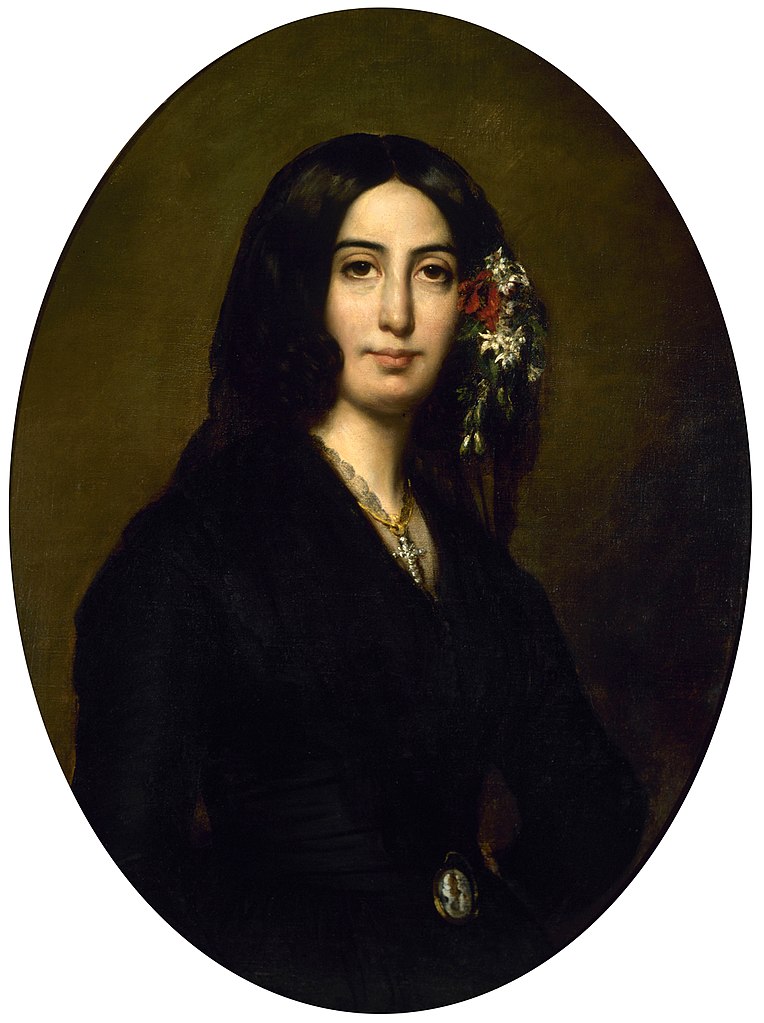
George Sand, born Amantine Aurore Lucile Dupin, was a French novelist, memoirist, and journalist, acclaimed as one of the most distinguished writers of the European Romantic era. Renowned more than Victor Hugo or Honoré de Balzac in her time, George Sand authored over 70 novels along with a wealth of other works, including plays and political texts. Her contributions were not limited to literature; she was a fervent advocate for women's rights, critiquing the institution of marriage and societal prejudices with a passion mirrored by her great-grandmother, Louise Dupin.
George Sand's upbringing in the village of Nohant under the care of her grandmother shaped her profound connection to the countryside, a theme recurrent in her rustic novels such as "La Mare au diable" and "La Petite Fadette." These works, celebrated for drawing inspiration from her love for the rural landscapes and empathy for the underprivileged, underscore her literary prowess and innovative exploration of pastoral themes.
Her life was marked by controversies, including her choice to wear male attire for practicality and statement, challenging societal norms. This defiance extended into her personal life, where she maintained numerous high-profile relationships, including a notable liaison with the composer Frédéric Chopin. Despite facing criticism for her unconventional lifestyle and progressive views, George Sand's work and personality captivated many of her contemporaries, earning her friendships with luminaries such as Franz Liszt and Gustave Flaubert.
In her later years, George Sand's home in Nohant became a haven for writers and artists, reflecting a mellowed phase of her life filled with writing, hosting friends, and engaging in botany. This period highlighted her enduring dedication to literature and her ability to foster intellectual and creative exchanges among the leading figures of her day.
For collectors and experts in art and antiques interested in the legacy of George Sand, staying informed about upcoming sales and auction events related to her works is essential. Signing up for updates ensures you won't miss the opportunity to own a piece of literary history that celebrates George Sand's remarkable contribution to literature and society.